Caffeine Blood Pressure Research
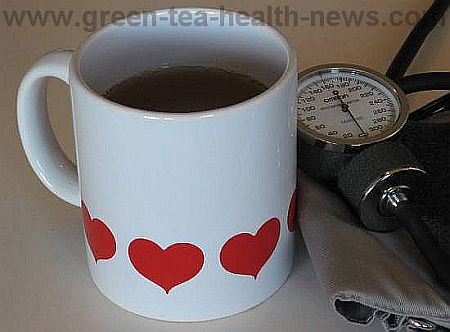
Caffeine blood pressure research
Most studies of green tea and heart disease risk factors such as high blood pressure, high cholesterol, and strokes have used either green tea or black tea.
Now a new study compares a standardized decaffeinated green tea extract capsule with placebo.
Researchers in Florida examined 111 healthy adults, age 21-70, over 3 months for blood pressure, blood cholesterol, serum oxidative stress, and inflammatory markers.
The volunteers took two decaf green tea extract capsules twice a day or placebo twice a day in the double-blind study.
Within the first 3 weeks, the green tea participants showed lower blood pressure in both systolic and diastolic measurements.
Decaf green tea lowers blood pressure
By three months, this caffeine blood pressure study showed that systolic blood pressure remained significantly lower for the green tea group.
Also total cholesterol was lower, oxidative stress was lower, and the inflammatory blood marker was lower for the green tea group after 3 months.
In general, most studies have shown that caffeine enhances green tea benefits.
But this study supports potential cardiovascular risk reduction even with decaf green tea for those who might be sensitive to caffeine (Nantz MP, Standardized capsule of Camellia sinensis lowers cardiovascular risk factors in a randomized, double-blind, placebo-controlled study, Nutrition, October 2008).
That's great news for people who choose decaf green tea.
Related articles
How much caffeine in a cup of green tea?
Which green tea has more caffeine?
21 tips to reduce (or increase!) caffeine in green tea
What about decaffeinated green tea?
Learn more about caffeine and your health with a free subscription to the Green Tea Health Newsletter:
Friends And Family
Are you a member of a social networking site like Facebook, Google +, or the popular Twitter? If you like my website, share it with your friends and family! I appreciate it also, and thank you in advance.
or email it:
http://www.green-tea-health-news.com/caffeine-blood-pressure.html
This page last updated by Sharon Jones.
Was this page on caffeine blood pressure research helpful? Here's more health information
New ebook offers
Subscribe to the free e-zine, Green Tea Health News for new ebook offers, link archives, new recipes, helpful products, hot deals, and more.Subscribe now and don't miss a single issue.

This website supports
planting Giant Sequoia trees.Find out more!